The Cameroon's Colossus Revealing the Country's Largest Charcoal Factory
The Cameroon's Colossus Revealing the Country's Largest Charcoal Factory
Blog Article
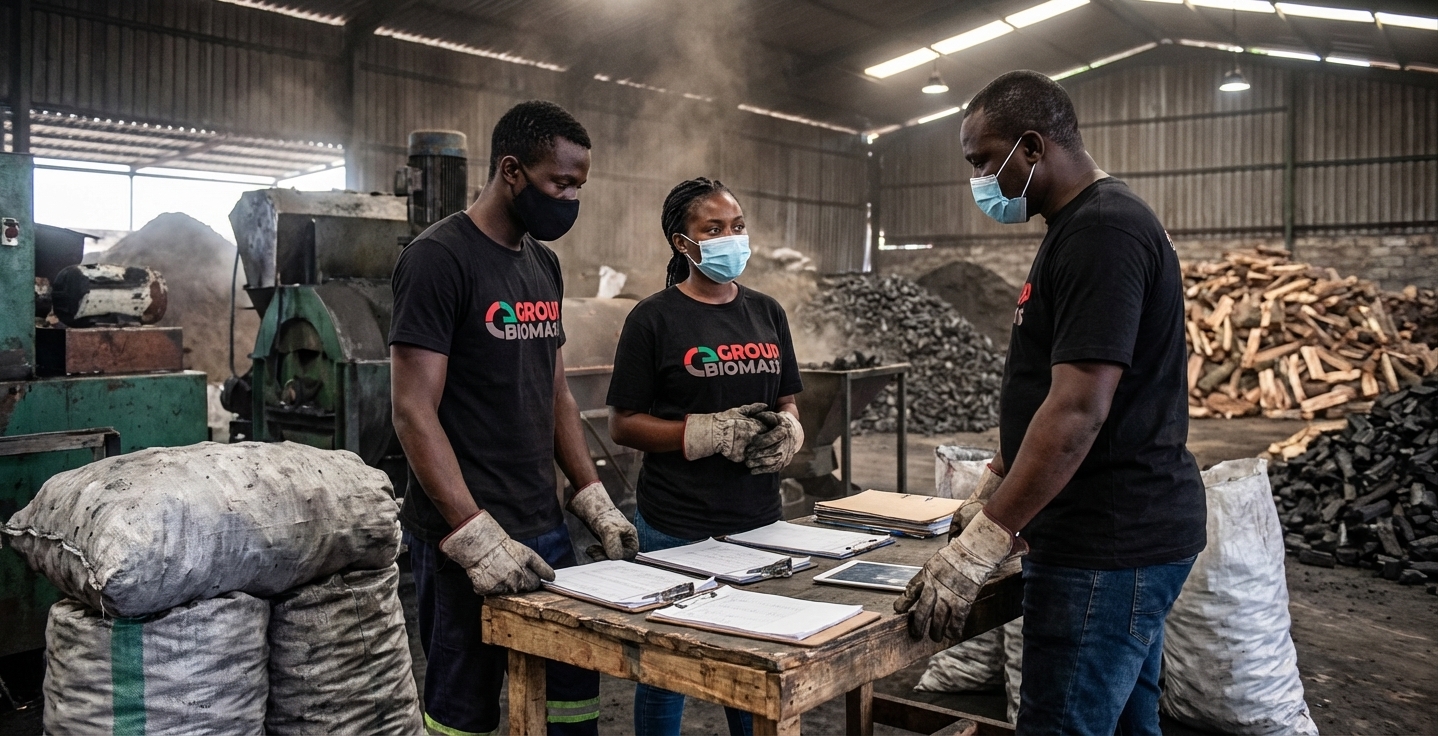
Deep within the country, a massive operation stands as a symbol to the increasing demand for biomass. This industrial complex, reportedly the region’s largest wood plant , is attracting attention for both its output and the possible environmental ramifications. While creating jobs for local communities, the plant’s processes are sparking questions about ethical forest practices and the long-term health of the nation's woodlands .
Hardwood Lump Charcoal Export Boom: The Promising Nation
Cameroon is seeing a significant surge in quality lump charcoal sales, positioning itself as a important source in the global industry. Thanks to growing demand from European US and Pacific regions, the nation’s production of this eco-friendly fuel is steadily growing, offering new opportunities for regional communities and boosting the national prosperity. The focus on environmentally friendly timber granulated charcoal is proving to be a critical aspect in attracting international investors.
Inside Cameroon’s Hardwood Lump Charcoal Factory: Production & Sustainability
Stepping across a average Cameroon hardwood lump carbon factory uncovers a remarkably straightforward system of creation. Untreated wood, often collected from sustainable forests, are thoroughly logged and carried to a oven. Inside, the timber is gradually cooked with minimal oxygen, a technique that converts it as granular charcoal. Although the established methods employed can be demanding, more contemporary factories are incorporating refined processes and trying methods to enhance the output and nature conservation. This covers dedicating in clean energy and applying strict scrap handling approaches.
Cameroon's Lump Charcoal Sector : A Major Player in International Exports
Despite mounting environmental concerns , Cameroon’s lump charcoal trade remains a surprising and vital role in the global export arena . The creation of charcoal from trees is a critical foundation of income for countless of the nation's households , particularly in underserved zones. This operation generates a substantial amount of wood charcoal heading for overseas destinations , often providing heating needs in other countries , though this reliance creates challenges relating to deforestation and responsible woodland stewardship .
Le Contre Charbon de Bois Massif en Bois Dur et Les Briquettes Une Point de Vue Camerounaise
Dans Cameroun, , le choix entre un charbon de bois en bloc et des briquettes pose une interrogation . Habituellement, le charbon de bois a toujours été utilisé pour son saveur typique et son capacité de créer une chaleur intense , parfaite afin de la cuissons locales . Néanmoins, , les briquettes , plus pratiques de obtenir et moins économiques , attirent à attention, surtout auprès les régions citadines .
Sustainable Charcoal Making : The Future of Cameroon's Hardwood Industry
The conventional method of charcoal manufacture in Cameroon presents a serious challenge to its valuable hardwood woodlands . However, emerging sustainable approaches offer African hardwood lump charcoal a viable path forward. These encompass technologies like wood waste processing and efficient earth kilns , which minimize deforestation, decrease emissions, and provide financial opportunities for local communities . Embracing these sustainable alternatives is crucial to protecting Cameroon's precious heritage and ensuring the long-term viability of its hardwood sector while mitigating climate concerns.
Report this page